It's the most wonderful time of the year! Time for fall sewing! I love fall. I'm a September baby. This is MY season. I typically start off the season with "transition pieces". Those are the kind of pieces that work for my climate... because it's not going to be officially fall until close to Christmas. Unless we have some sort of extraordinarily chilly weather this year. With all of the weird climate conditions, I wouldn't really be surprised either way. So it's best to just be prepared for whatever Mother Nature tosses my way.

So, one of the first things I've made thus far is this dress. It's from the fabulous design duo Badgley Mischka - Vogue 1513. They're one of my favorites and I've made a lot of their designs to prove it. But let's talk about this one...

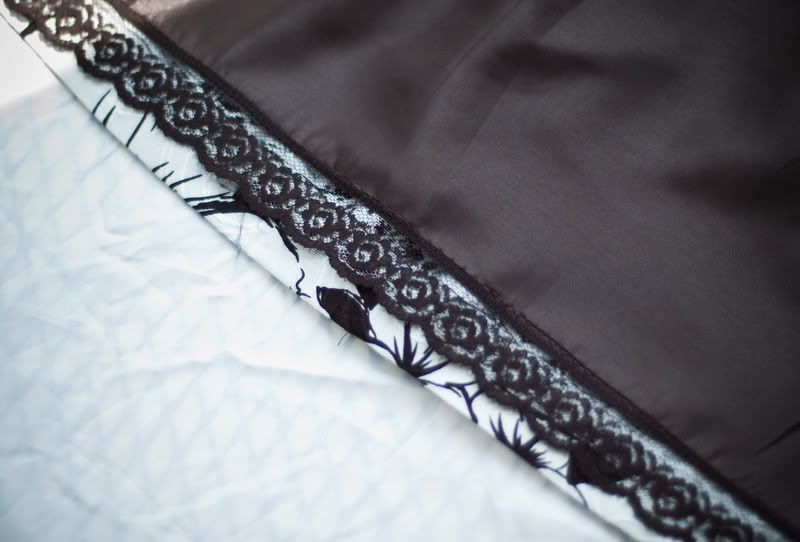
I make a fabulous white dress every year, so this is my pick for this year. The fabric I selected is this completely gorgeous ivory wool-like crepe with lycra from Mood Fabrics. Since the dress is fully-lined, I needed the lining to match the stretch, so I picked this white stretch polyester crepe de chine.

I cut the size 12 from the bodice and graded out through the waist and the hips in the size 14. I added 3 inches to the length and this is where the hemline falls on me. Keep that in mind.

This is a basic sleeveless, princess seam sheath dress with a back slit. The only things that makes this dress unique is the asymmetrical drape and the collar... and the construction suggestions. Here are some key factors that in my opinion takes this dress from basic to designer: The interfacing. Interfacing is a big deal. And in my STRONG opinion, the average home sewer does NOT use enough of it. There are so many places in garments that should be interfaced. We ALL use fusible interfacing, so it's beyond easy to do and not eliminate these essential steps. I'm going to just assume it's because a lot of you don't know what you don't know. This is something I've learned throughout the years from sewing the designer patterns (they have all of the good construction details), reading sewing books (seriously, invest in couture sewing books), and reading blogs. Every sewing blogger may not be your cup of tea or shot of tequila. If I had my pick, I'd ONLY read blogs by those that combine sewing and fashion. But there are a lot of blogs by people that can really, really sew... and understand garment construction. You can add in your own fashion.

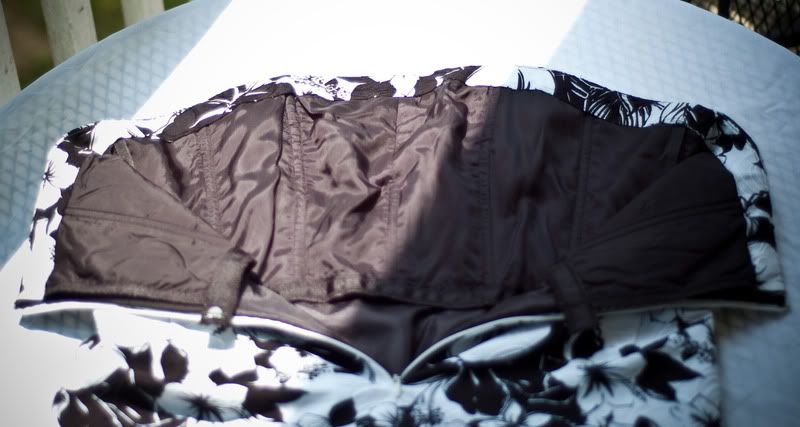
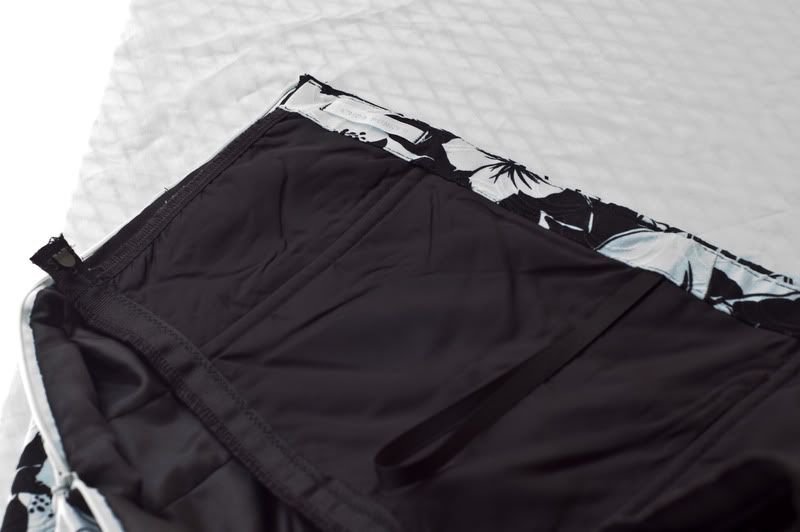
Here is how this dress is interfaced. I've seen the interfacing for the front, back and sides of the dress in books. I only interface like this on the regular for jackets. But from this point on, I'll always interface dresses like this. Normally, I use stay tapes in these areas, but I love the idea of fusible interfacing shaped like facings. But I interface EVERY SINGLE THING I put a zipper in. It's imperative that the zipper area is interfaced. No one wants a wavy or "homemade-looking" zipper insertion area.

And if you aren't interfacing your slit or vent area... sigh... Just don't even bother including that detail in your garment. It just makes the slit area so crisp. And while I was down there, I tapered in the skirt 4 inches smaller than the fullest point of the hip measurement.

The drape is sewn in between the front and the side seam and the center back. And it's finished with a narrow hem.

I shortened the collar by 5/8" an inch. It was too high for me.

There is some handsewing involved when sewing the lining to the shell fabric at the armholes and the lining at the slit. I machine-stitched the lining to the zipper tape. And I also did a machine blindstitch for the hem. I absolutely love this dress. But sadly, it's so unique with the draping that I can only wear it a few times before I'm over it. But I'll at least have these pictures to reflect back on!